
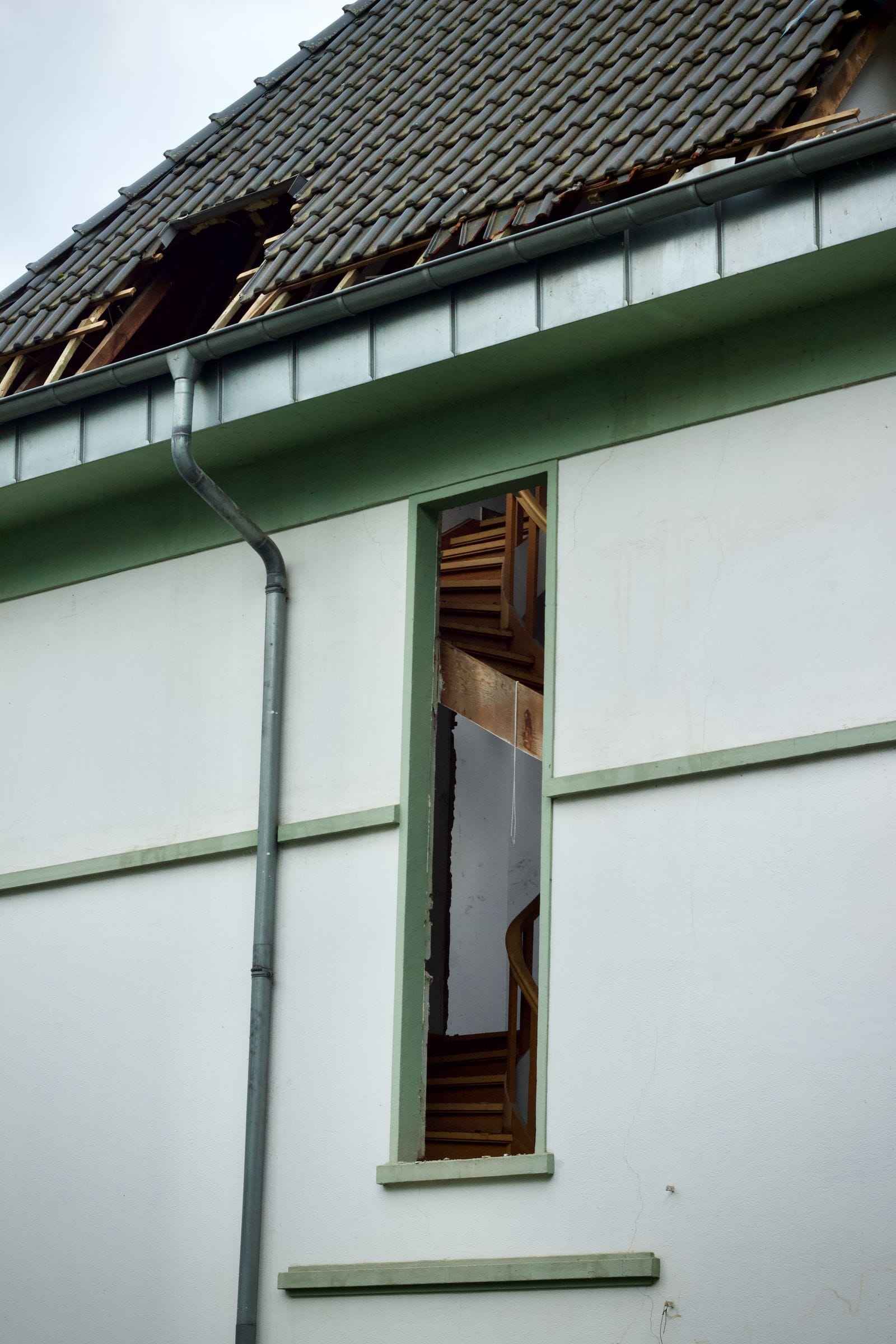
When a Texas home is damaged, the first priority is safety. The second is preserving evidence while preventing additional damage. A claim becomes easier to discuss when the homeowner has photographs, a timeline, receipts, and a clear record of what happened.
TDI recommends documenting damage and notes that a storm can involve more than one kind of insurance claim, including homeowners and flood coverage [1]. The right claim path depends on the cause of loss and the policy involved.
Before cleanup
Take wide photographs and video before moving damaged property, if it is safe. Capture the room, the source of damage, affected materials, water lines, debris, temporary repairs, and undamaged areas for context. Keep the original files and write down when the images were taken.
Do not wait to make the home safe. Reasonable temporary measures may be needed to prevent further damage, such as covering a broken window or stopping a leak. Keep receipts and photograph the temporary work. Do not make permanent repairs before the insurer has a fair opportunity to inspect unless safety requires it. Photograph and document damaged materials first, preserve samples when practical, and follow the insurer’s instructions. Safety, sanitation, or hazardous conditions may require disposal.
Start the claim conversation
Notify the insurer or agent promptly. Ask what documents are needed, whether an adjuster will inspect the property, how emergency repairs should be handled, and whether additional living expense coverage could apply if the home cannot be occupied.
Build a simple claim file with the policy number, date and cause of loss, photos, repair estimates, receipts, correspondence, adjuster details, and a running list of questions. An inventory can help support the process; see Ashford’s storm-season home inventory checklist. Written notes help when a claim lasts longer than a single phone call.
Watch for coverage boundaries
Wind, hail, sudden interior water damage, sewer backup, flood, mold, and wear may be treated differently. The same storm can produce damage under different causes, and a homeowners policy may not cover flood damage. Ask the insurer to identify which policy provision is being applied.
If a claim is denied or not paid, TDI says the insurer must explain the reason in writing [2]. Read the explanation against the policy, ask focused questions, and keep the response.
Ashford note: Claim procedures, covered causes, deductibles, exclusions, and repair requirements vary by policy and insurer. This checklist is educational and is not a promise of payment. Ashford can help you understand your policy language before a loss occurs.