
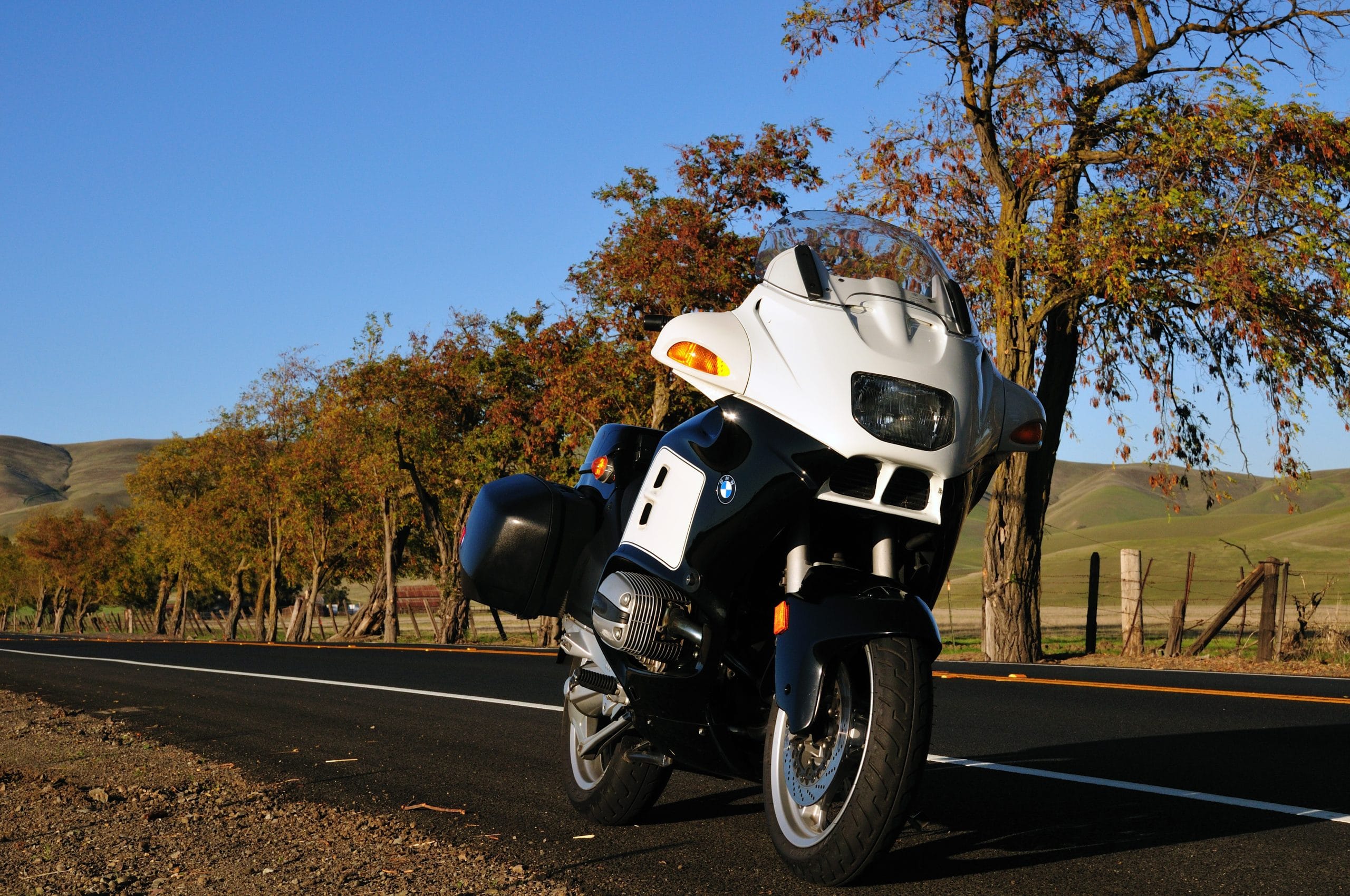
Texas treats motorcycles like cars for registration, titling, and insurance requirements. The Texas Department of Insurance says motorcycle drivers must prove financial responsibility for accidents they may cause [1]. Liability insurance is the usual way drivers meet that requirement, but the legal requirement is proof of financial responsibility rather than one exclusive method.
The minimum liability limits are $30,000 for each injured person, $60,000 for injuries in one accident, and $25,000 for property damage in one accident. This is commonly called 30/60/25 coverage [1]. The limits describe the most the policy pays for covered liability within each stated limit. They do not protect the rider’s motorcycle from theft, hail, collision damage, or every medical expense.
What liability coverage does
If the rider causes an accident, liability coverage can pay covered damage to another person’s vehicle or property and covered injuries to other people, subject to the policy limits and conditions. It is different from coverage for the rider’s own motorcycle.
A rider financing a motorcycle may also have lender requirements for physical-damage coverage. Other-than-collision coverage may address losses such as theft, fire, vandalism, or weather. Collision coverage may address damage from a crash or a tip-over, depending on the facts and policy terms. Those coverages are not part of the state minimum liability requirement.
Is the minimum enough?
The legal minimum answers whether the rider has the required financial-responsibility protection. It does not answer whether the limits are a comfortable fit for the rider’s assets, passengers, motorcycle, commute, and risk tolerance.
A DFW rider may use busy urban streets, freeway ramps, and longer routes across the metroplex. A collision involving several vehicles or serious injuries can create losses beyond minimum limits. That does not mean every rider needs the same higher limit. It means the decision should be made deliberately instead of treating 30/60/25 as a complete protection plan.
Ask about uninsured and underinsured motorist coverage, medical payments, passenger provisions, roadside assistance, accessories, custom parts, and deductibles. These are optional or policy-specific protections, not part of the 30/60/25 liability minimum. Each item solves a different problem. A motorcycle policy should also accurately reflect the bike, garaging address, use, riders, and any lender.
Before the first ride
Confirm that the policy is active, the motorcycle and rider are correctly listed, the proof of insurance is available, and the policy permits the intended use. Review motorcycle registration information through TxDMV and licensing or endorsement information through Texas DPS [4][5]. Do not assume an auto policy automatically covers a motorcycle.
Ashford note: Texas requirements and motorcycle policy options can change, and carrier rules differ. This article is educational and does not determine the limits or endorsements a particular rider needs. Have Ashford review the motorcycle, lender requirements, household riders, and intended use before the first ride.