
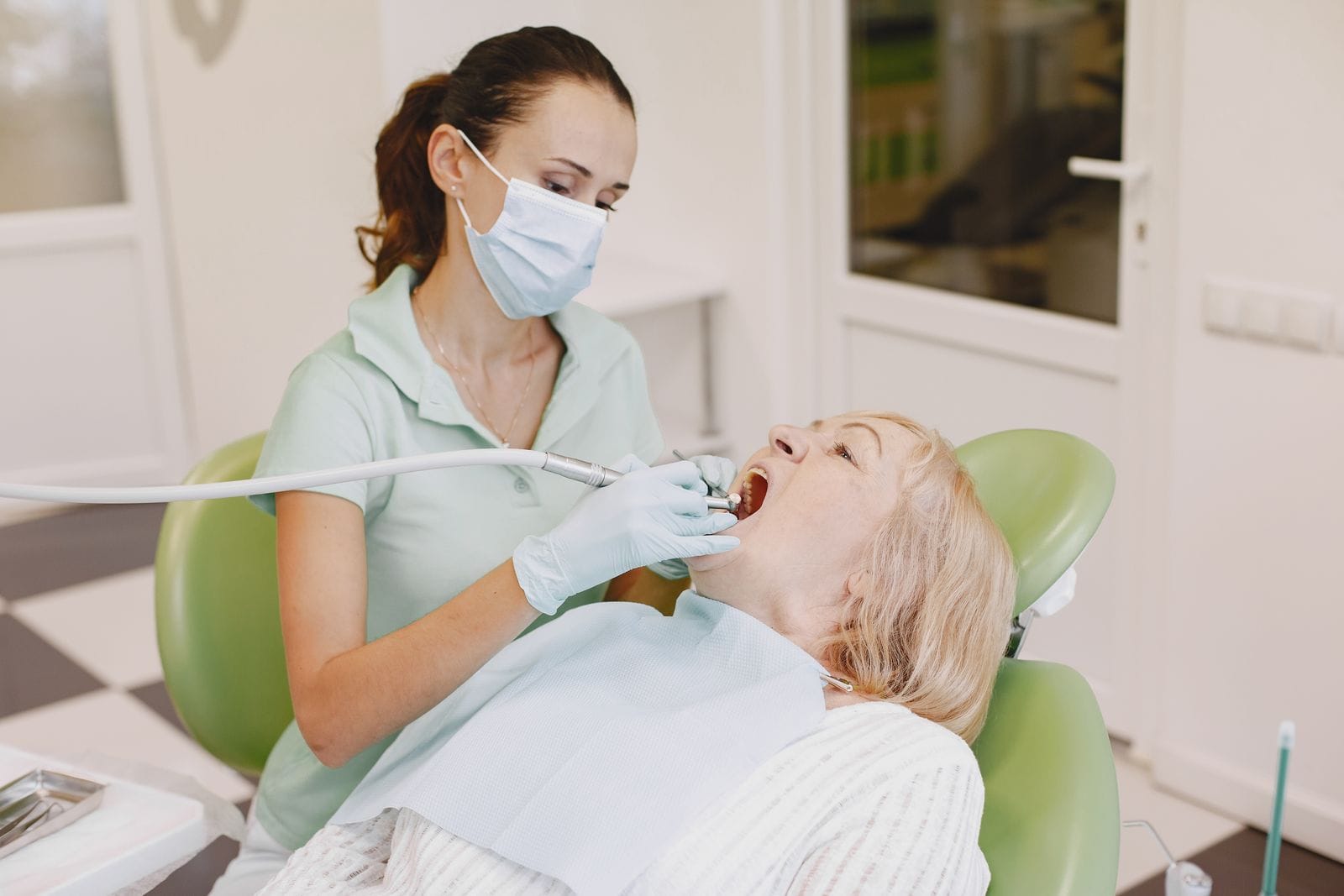
In most cases, Original Medicare does not cover routine dental care. Medicare.gov specifically lists routine cleanings, fillings, tooth extractions, dentures, and implants among services and items it generally does not cover. You usually pay the full cost of these services.
That does not mean Medicare never pays for a dental service. The key question is whether the dental care is directly connected to a covered medical treatment or hospital stay.
When Original Medicare may cover dental services
Medicare may cover limited dental services in specific circumstances, including:
- Certain dental services received as an inpatient when the dental procedure or the underlying medical condition requires hospital care
- An oral exam and dental treatment before a heart valve replacement or bone marrow, organ, or kidney transplant
- A procedure to treat a mouth infection before cancer treatment such as chemotherapy
- Treatment for a complication during head and neck cancer treatment
- Dental or oral exams before and during Medicare-covered dialysis for someone with End-Stage Renal Disease, along with medically necessary treatment to remove an oral or dental infection in the circumstances Medicare describes
These exceptions are narrow. Medicare’s dental-service coverage page explains that the dental service must be linked to the success of the covered medical treatment in the listed situations. Ask the treating physician, dentist, and Medicare about coverage before receiving care. Get the coverage decision and estimated cost in writing when possible.
Medicare Advantage dental benefits
Medicare Advantage plans must cover Medicare Part A and Part B services, and some plans offer additional dental benefits. The benefit is plan-specific. It may have a separate premium, a benefit allowance, an annual limit, a network requirement, prior authorization, or different rules for preventive and comprehensive services.
A plan may include services such as exams, cleanings, or X-rays, while another may offer broader benefits. Do not assume that a plan covers a crown, root canal, extraction, denture, or implant. Read the plan’s Summary of Benefits and Evidence of Coverage, and confirm that your dentist participates in the plan’s dental network.
Medicare’s Plan Compare tool lets you review available plan benefits in your ZIP code. Benefits and networks can change each plan year. At this review date, 2027 plan information was not used because it was not available in the official sources reviewed.
Other ways to pay for dental care
If you have Original Medicare and a Medigap policy, remember that Medigap generally does not cover routine dental care. You can compare standalone dental insurance, dental discount programs, employer or union benefits, Medicaid eligibility, or payment arrangements offered by a dental practice.
Standalone dental policies and discount programs are not interchangeable. Before enrolling in any private product, check:
- Monthly or annual fees
- Deductibles and coinsurance
- Annual benefit limits
- Waiting periods
- Covered services and exclusions
- In-network and out-of-network rules
- Whether your preferred dentist participates
A discount program is not insurance. It may provide access to negotiated prices from participating dentists, but the program does not pay a claim like dental insurance. Review the written terms and the participating-provider list before paying a fee.
How to compare your options
Start with the care you expect to need, not only the monthly premium. Ask for a written estimate from your dentist and compare it with the plan’s rules, annual maximum, waiting periods, and network. Preventive care, major restorative work, dentures, and implants may have different cost-sharing.
If you are considering Medicare Advantage, compare medical networks and prescription coverage at the same time as dental benefits. If you prefer Original Medicare with Medigap, price dental coverage separately. Medicare and the Texas Department of Insurance can help you understand general rules, but neither can promise that a particular dental procedure will be covered without reviewing the specific circumstances and plan documents.
Before you act
Ask your dentist, Medicare, or plan for the exact covered service, network, authorization, and estimated cost. Benefits vary, so check the plan documents before scheduling treatment.
Suggested internal links
- Suggested: Medicare Advantage Plans in Texas
- Suggested: Medigap Plan G
- Suggested: Medicare Part D Explained