
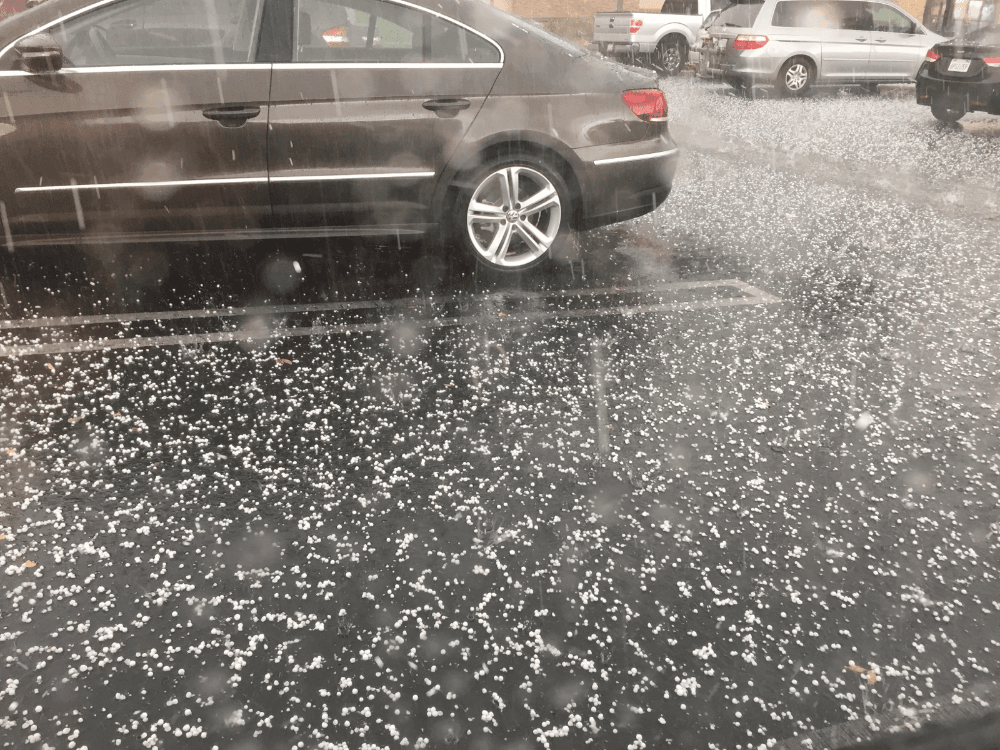
A hailstorm can leave a car with dents, broken glass, water intrusion, or damage that is difficult to see from a distance. After a storm in Hurst, Euless, Bedford, or the wider DFW area, start with safety and documentation. Do not drive an unsafe vehicle just to reach a body shop.
Texas Department of Insurance says comprehensive auto coverage generally pays for hail damage, subject to the policy and deductible [1]. Liability coverage does not repair the policyholder’s own vehicle after hail. Check the declarations page or contact the insurer before assuming a particular loss is covered.
Document the damage safely
Take clear photos and video of the vehicle, including the roof, hood, trunk, glass, lights, and interior if water entered the car. Photograph the location and date when possible. If the vehicle is in a parking garage or apartment lot, record where it was parked without putting yourself in a dangerous area.
Do not climb onto a damaged vehicle or stand near downed power lines. If glass is broken or the car has a safety problem, arrange a safe tow or ask the insurer what temporary protection is appropriate.
TDI advises policyholders to report hail or wind damage as soon as they can. The agency also recommends taking pictures, preventing further damage, keeping receipts, being available for the adjuster, and keeping notes of claim conversations [1]. Follow the carrier’s instructions before discarding damaged materials or authorizing repairs.
Be careful with repair offers
Severe-weather events attract legitimate repair businesses and people who pressure owners to sign quickly. Get more than one estimate when practical. Check references and contact information. Do not pay the entire amount before work is complete, and do not sign a contract with blank spaces.
TDI warns consumers to avoid contractors who offer to waive a homeowners deductible because waiving that deductible is illegal under Texas law [1]. That specific warning concerns homeowners deductibles. For an auto repair, do not misrepresent damage, conceal the deductible, or sign a repair agreement that conflicts with the policy or claim instructions. Ask the carrier how the auto deductible and repair payment will be handled before authorizing work.
Ask before filing or repairing
Ask which coverage applies, what deductible is listed, whether an inspection is required, whether the carrier has a repair network, and what temporary transportation options are available. A hail claim may be handled differently from a collision claim, and a cracked windshield can involve separate glass provisions.
Do not assume a claim will have no effect on future underwriting or pricing. Do not delay a claim because a storm-chaser says waiting is better. The carrier’s policy and instructions control the claim process.
Ashford note: Hail coverage, deductibles, repair options, glass provisions, and claim effects vary by carrier and policy. This article is educational and does not guarantee payment or recommend a particular repair vendor. Have Ashford review your declarations page before storm season.