
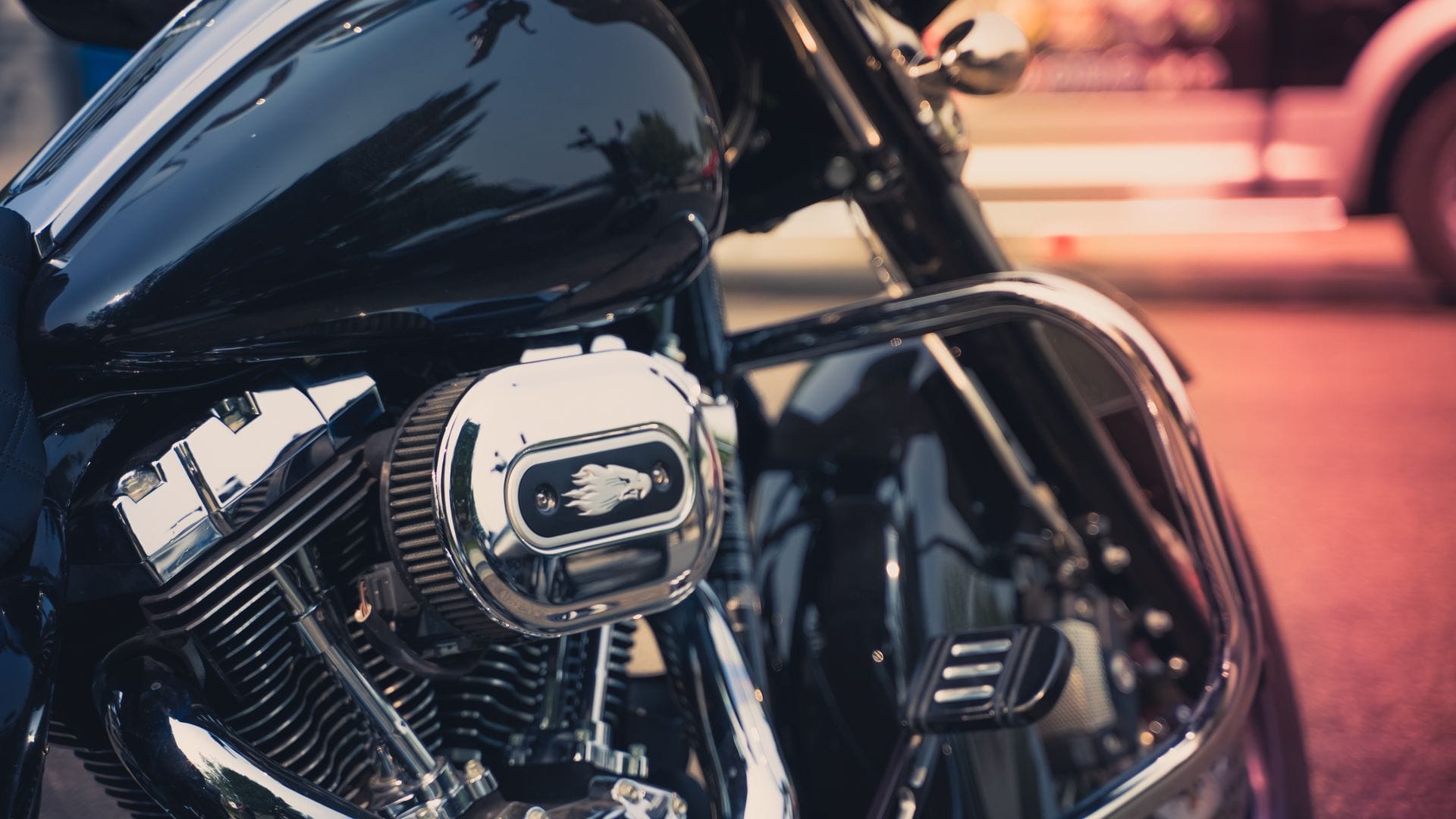
A stock motorcycle leaves the factory with a price. A built motorcycle leaves your garage with a different one. The difference is the parts you added: saddlebags, upgraded exhaust, custom paint, luggage, communications gear, performance upgrades.
The problem is that a standard motorcycle policy is written around the bike as the manufacturer delivered it. Accessories and custom parts are a separate conversation, and one that many riders only have after a loss.
What the standard policy assumes
Most policies treat the insured vehicle as the machine that rolled out of the factory. That means factory equipment is included in the vehicle’s value. It does not automatically mean everything you bolted on afterward.
The specifics vary by policy. Some carriers include a small allowance for accessories; others treat aftermarket parts as a separate coverage you must request. Do not assume your aftermarket exhaust is covered just because it is bolted to the bike. Ask, and ask specifically.
The parts that usually need attention
Riders customize in a few predictable ways. Each changes what the bike is worth:
- Saddlebags, top cases, and luggage racks
- Aftermarket exhaust and engine management
- Custom paint, chrome, or powder coating
- Wheels, tires, and suspension upgrades
- Communications and navigation equipment
- Custom seats and control adjustments
Keep receipts. When a claim happens, the conversation goes smoother when you can show what you paid and when you installed it. Photographs of the bike as currently built are the next best evidence after receipts.
How coverage for parts actually works
Carriers typically offer an accessory coverage option, sometimes called equipment coverage or custom parts and accessories coverage. You declare an amount of accessory coverage, and that amount applies to the added parts.
Declared amounts create a ceiling. If you have $3,000 in accessories and declare $1,000, the difference is yours to absorb. The right declared number is the replacement value of everything that is not stock, not a guess.
The conversation to have with your agent
Bring the receipts and the current build photos to the conversation. Ask what the policy covers for accessories as written, what the declaration options are, and what documentation the carrier wants on file. A five-minute review now prevents a surprise at claim time.
And if you sell parts or return the bike to stock, tell your agent. Coverage written around a build that no longer exists costs money for parts you no longer own.
Ashford note: Accessory coverage limits and eligibility vary by carrier and policy. This article is educational, not a coverage promise. Ask Ashford to review your current policy for how it treats accessories before your next ride.