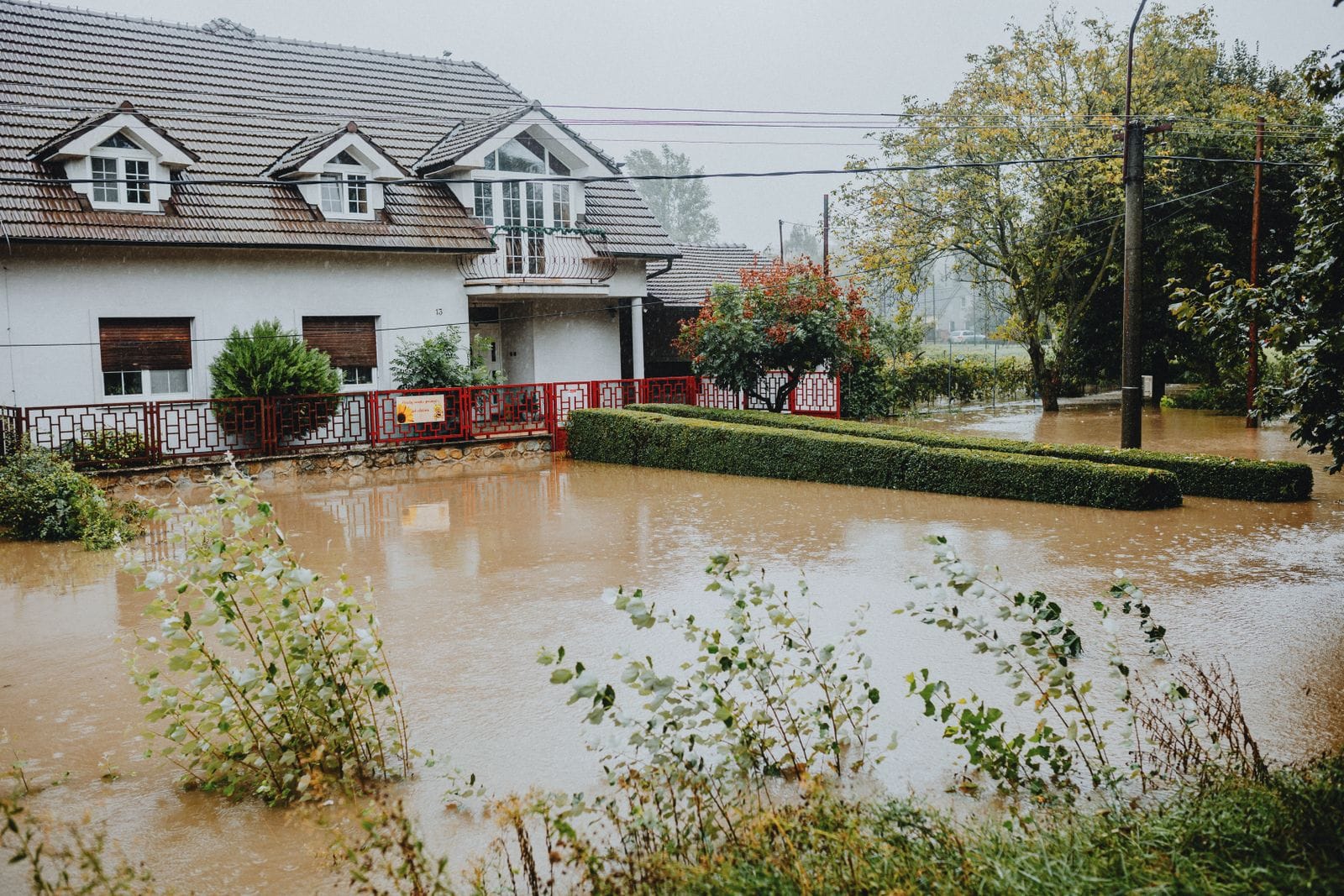
Texas homeowners often think of flood risk as a coastal issue. It is not. Heavy rain, overflowing waterways, drainage problems, and storm surge can put inland properties at risk too. The first coverage question is whether the policy you already have covers the water damage you are worried about.
Standard homeowners insurance generally does not cover flood damage [1]. A flood policy is a separate contract with its own definitions, limits, deductibles, waiting rules, and exclusions. That difference matters after a storm, when water may have entered through several paths and the cause of damage becomes part of the claim.
What makes flood damage different
Flood insurance is designed for rising or accumulating water that affects normally dry land. Homeowners coverage may respond to some sudden and accidental water losses, such as a pipe breaking inside the house, but that is not the same as flood coverage. The policy language and the cause of loss control the answer.
A home near a creek is not the only home that needs the conversation. A property outside a mapped high-risk area can still flood. Maps inform the discussion, but they do not replace a review of the property, drainage, elevation, and prior losses.
What to ask before buying
Ask whether the policy covers the building, the contents, or both. Ask how the deductible works, what limits apply, and how the policy defines covered flood damage. NFIP guidance says temporary housing and additional living expenses generally are not covered, so do not assume flood insurance works like homeowners additional-living-expense coverage [2]. Do not assume that your homeowners personal-property limit transfers to a flood policy.
Renters should ask the same questions about their belongings. A landlord’s policy generally protects the building, not the tenant’s furniture, clothing, electronics, or additional living expenses. Renters flood coverage is a separate decision.
Timing matters
Flood coverage is not an emergency replacement for a policy that should have been bought before a storm. A policy may have a waiting period, with exceptions and timing rules that depend on the program and circumstances. If a storm is already approaching, call an insurance professional and the relevant flood insurer rather than assuming a new policy will take effect immediately.
Build the decision around the property
Bring your address, mortgage requirements, prior loss information, home inventory, and questions about drainage or storm history to the review. The goal is not to predict the next storm. It is to understand which water losses your current policy leaves to you.
Ashford note: Flood coverage, eligibility, limits, deductibles, and waiting periods vary by policy and insurer. This article is educational and does not determine whether a particular loss is covered. Have Ashford review the property and current policies before storm season.